September 19, 2025
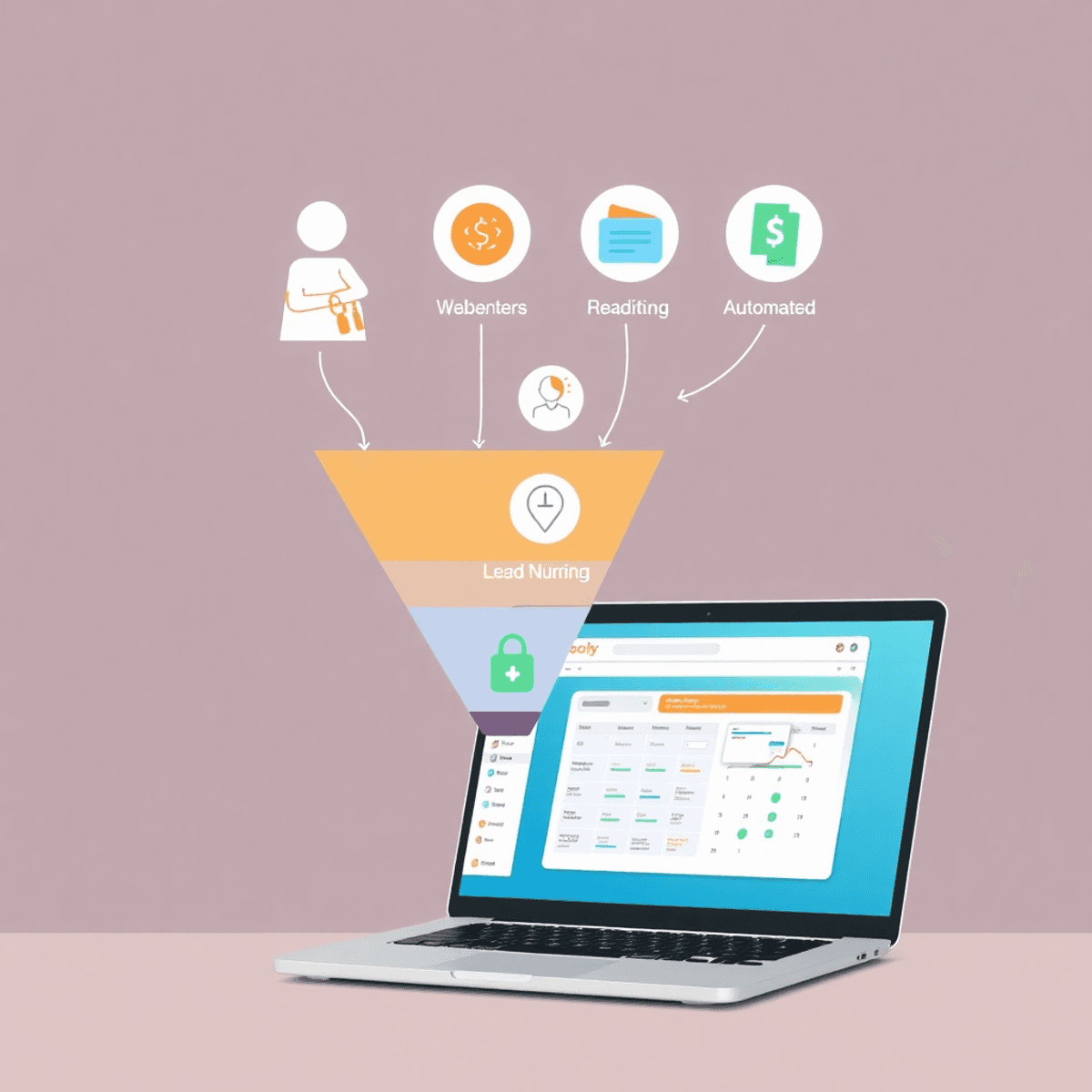
A sales funnel represents the journey prospects take from initial awareness to becoming paying customers. This systematic approach transforms random website visitors into qualified leads, then nurtures them through strategic touchpoints until they’re ready to purchase. For businesses seeking sustainable growth, a well-structured sales funnel acts as your revenue-generating engine that works around the clock.
Appointment setting automation has changed how modern sales teams work. Instead of playing phone tag or sending countless emails to schedule meetings, you can now create seamless booking experiences that convert prospects while they’re most engaged. This technology eliminates scheduling friction and captures leads when their interest peaks.
Service-based businesses experience the most dramatic benefits from automated appointment funnels. Whether you’re a consultant, coach, agency owner, or professional service provider, your revenue depends on face-to-face conversations with potential clients. When you automate your appointment booking process, you’ll see:
- Higher conversion rates from website visitors to scheduled meetings
- Reduced administrative burden on your sales team
- Improved prospect experience with instant booking confirmation
- Consistent lead nurturing that maintains engagement until meeting day
To fully leverage these benefits, it’s essential to understand the terms and conditions associated with appointment setting services. Utilizing tools like CSV/JSON data can also streamline your processes significantly.
Moreover, incorporating elements such as emotional intelligence in sales, can further enhance your effectiveness in converting leads into paying customers. By connecting with customers on a deeper level and building trust, closing deals becomes an effortless task.
For more insights and updates on this topic, feel free to explore our news and updates section.
Understanding Appointment Setting Automation in Sales Funnels
Automated appointment setting transforms the traditional manual scheduling process into a sophisticated system that operates 24/7 without human intervention. This technology combines calendar management, lead qualification, and communication workflows to guide prospects seamlessly from initial interest to confirmed meetings with your sales team.
The automation works through interconnected tools that capture prospect information, evaluate their readiness to purchase, and present available time slots based on predefined criteria. When a prospect submits their details through a lead capture form, the system instantly evaluates their responses, assigns them to appropriate appointment types, and displays your calendar availability in real-time.
Where Automation Fits Within Sales Funnel Stages
Sales funnel stages benefit from automated appointment setting at multiple touchpoints:
- Awareness Stage: Automated scheduling links embedded in content marketing and social media posts
- Interest Stage: Calendar widgets integrated into landing pages and email campaigns
- Consideration Stage: Personalized booking flows triggered by specific prospect behaviors
- Decision Stage: Priority scheduling for qualified leads with shortened booking processes
Impact on Lead Qualification and Conversion
Automation tools significantly enhance lead conversion by implementing qualification questions directly within the booking process. You can screen prospects based on budget, timeline, and decision-making authority before they reach your calendar. This pre-qualification increases meeting quality while reducing time spent with unqualified prospects.
Moreover, by leveraging intent data, businesses can further accelerate pipeline velocity in B2B sales. This data allows for lead prioritization, timely engagement, and accurate sales forecasting, ultimately leading to higher conversion rates.
Studies show that businesses using automated scheduling see 30-50% higher conversion rates compared to manual booking methods, primarily due to reduced friction and immediate response capabilities. If you’re looking for assistance with sales data solutions or need help with outbound or inbound SDR services, feel free to contact us at RemoteReps247. We are here to help you grow your business.
Step 1: Driving Traffic and Generating Leads for Your Sales Funnel
The foundation of any successful appointment setting automation system begins with attracting the right prospects to your sales funnel. [Lead generation strategies](https://remotereps247.com/hacks-to-get-more-qualified-leads) must align with your target audience’s behavior and preferences to maximize conversion potential.
1. Search Engine Optimization (SEO)
Search Engine Optimization (SEO) serves as a long-term traffic driver by positioning your content where prospects actively search for solutions. You can optimize landing pages for keywords like “schedule consultation” or industry-specific terms that your ideal clients use. This organic approach builds credibility while attracting prospects who demonstrate genuine intent.
2. Pay-Per-Click (PPC) advertising
Pay-Per-Click (PPC) advertising delivers immediate visibility and precise targeting capabilities. Google Ads and LinkedIn Ads allow you to reach decision-makers based on job titles, company size, and specific pain points. You control your budget while testing different messaging approaches to identify what resonates with your audience.
3. Social media marketing
Social media marketing, when executed correctly, can create multiple touchpoints with potential clients across platforms where they spend time. LinkedIn proves particularly effective for B2B appointment setting, while Facebook and Instagram work well for service-based businesses targeting consumers.
- Unlock the secrets to stellar sales with our comprehensive guide on leveraging social media savvy, which includes proven strategies to boost your sales and dominate the social media landscape.
4. Targeted marketing campaigns
The key to successful targeted marketing campaigns lies in understanding your ideal client profile. You need to identify demographics, challenges, and buying behaviors that distinguish qualified leads from casual browsers. This precision prevents wasted ad spend and ensures your appointment slots fill with prospects who have genuine purchase intent and decision-making authority.
Moreover, aligning marketing and sales efforts can significantly enhance lead generation success. By working towards shared goals and KPIs, both teams can ensure seamless collaboration which ultimately drives better results in generating qualified leads. For more insights on this topic, refer to our guide on aligning marketing and sales for lead generation success.
Step 2: Creating High-Converting Landing Pages and Lead Capture Forms
Your landing page is crucial for converting casual visitors into qualified leads who are ready to book appointments. To optimize your landing page, focus on one specific offer or appointment type instead of overwhelming visitors with multiple options.
Landing Page Optimization Techniques
- Each landing page should have a singular focus on one specific offer or appointment type.
- Avoid including multiple options or distractions that may confuse or deter visitors.
Call-to-Action (CTA) Best Practices
Design your landing pages with these best practices in mind:
- Position primary CTAs above the fold – visitors should see your scheduling button immediately
- Use action-oriented language like “Book Your Strategy Call” or “Schedule Your Free Consultation”
- Create visual contrast with bold colors that stand out from your page design
- Limit CTA options to prevent decision paralysis – one primary scheduling button works best
Lead Capture Form Strategy
Your lead capture forms need to strike a balance between gathering qualification data and providing a smooth user experience. Start by only asking for the essential fields:
- Name and email address for basic contact information
- Company name and role to identify decision-makers
- Primary challenge or goal to personalize your appointment approach
However, while collecting this information, it’s important to ensure compliance with data privacy regulations such as GDPR and CCPA. You can find some valuable insights on GDPR and CCPA compliance tips for international lead generation.
Minimizing Form Friction
To minimize friction in your forms, use progressive profiling – collect additional details through follow-up emails instead of lengthy initial forms. Implement smart form design techniques such as dropdown menus for faster completion and clear explanations of why you need specific information.
Test different form lengths, field types, and CTA placements to optimize your conversion rates. You’ll discover that reducing form fields from seven to three often doubles your completion rates while still capturing qualified leads for your automated appointment setting process.
Enhancing Lead Generation with AI Workflows
To further improve your lead generation process, consider building a sustainable lead generation engine with AI workflows. This approach can significantly boost lead generation through personalized outreach, automation, and data-driven marketing efficiency.
Calculating ROI of Outsourced Lead Generation
Understanding how to calculate the ROI of outsourced lead generation can provide you with key metrics and benchmarks for better results. For detailed strategies on this topic, refer to our guide on calculating ROI of outsourced lead gen.
Nurturing Relationships in Lead Generation
Remember that effective lead generation involves not just gathering information but also nurturing relationships. For more insights into B2B lead generation strategies, feel free to explore our resources.
Step 3: Integrating Automated Scheduling Tools into Your Sales Funnel
The right calendar scheduling software transforms your appointment booking process from a time-consuming back-and-forth into a seamless automated experience. You have several powerful options to choose from, each offering unique advantages for different business needs.
Popular Scheduling Software Options
Calendly leads the market with its user-friendly interface and robust integration capabilities. Plans start at $8/month per user, offering unlimited event types and calendar connections. Acuity Scheduling provides advanced customization features and intake forms, with pricing beginning at $14/month. Chili Piper specializes in B2B sales with instant booking and lead routing functionality, though it comes at a premium price point starting around $15/user/month.
HubSpot Meetings integrates natively with HubSpot CRM and offers a free tier, making it ideal if you’re already using their ecosystem. Booklikeaboss focuses on service-based businesses with package booking capabilities, starting at $9.95/month.
Calendly Integration Guide
Setting up your chosen scheduling tool requires strategic planning to ensure smooth data flow throughout your sales funnel:
- Connect your calendar – Link your primary calendar (Google, Outlook, or Office 365) to prevent double-bookings
- Configure event types – Create specific appointment types with customized durations, descriptions, and qualification questions
- Set availability rules – Define your working hours, buffer times between meetings, and advance booking windows
- Embed scheduling links – Add booking widgets to your landing pages or include direct links in email sequences
- Integrate with your CRM – Connect tools like Salesforce, HubSpot, or Pipedrive to automatically sync prospect data and meeting details.
In addition to these strategies, businesses in niche sectors like cybersecurity can significantly benefit from outsourced sales. This approach not only boosts growth but also enhances efficiency in a competitive market by leveraging expert resources that understand the intricacies of the industry.
Step 4: Implementing Automated Email Sequences for Nurturing Leads Through the Funnel
Email automation workflows are crucial for your appointment-setting funnel. They create opportunities to connect with potential clients and guide them from being interested to actually booking meetings. To make the most out of your conversion potential, you’ll need to set up three main types of workflows.
1. Confirmation Emails
These emails are sent automatically right after someone books an appointment. They contain important information such as meeting links, preparation materials, and your contact details. It’s essential to include calendar invites with clear instructions and any pre-meeting questionnaires that will help you have productive conversations.
2. Nurturing Email Sequences
These sequences are designed for prospects who haven’t booked appointments yet. They provide valuable content like industry insights, case studies, or educational resources that address their specific challenges. You can customize these workflows based on factors such as the prospect’s industry, company size, or particular pain points identified during lead capture. Additionally, it’s worth exploring other outreach methods like cold emailing, which can sometimes generate better B2B leads.
3. Reminder Emails
To minimize no-shows, it’s important to send reminder emails at strategic times – usually one week before, 24 hours prior, and 2 hours ahead of scheduled meetings. Each reminder should include options for rescheduling and emphasize the value of the meeting.
Crafting Effective Email Content
Your email content should directly address your prospect’s unique situation. Use the information gathered from your lead capture forms to personalize subject lines, mention their company name, and discuss their stated challenges. Keep your messages concise with clear action items, and always provide multiple ways for prospects to reach out if they have any questions.
To gain a deeper understanding of your target audience and improve your approach, consider using sales research services that utilize AI for data collection and analysis. This can greatly enhance your sales efforts by offering valuable insights into your prospects.
Experiment with different subject lines, sending times, and content formats to optimize your open rates and engagement levels across each type of workflow.
Step 5: Enhancing Lead Qualification and Nurturing Within Your Automated Sales Funnel
1. Multi-Step Forms for Qualification Purposes
Multi-step forms for qualification purposes transform your basic contact capture into a sophisticated screening mechanism. Instead of requesting all information upfront, you can break down your qualification process across multiple pages or steps. Start with basic contact details, then progress to budget ranges, timeline requirements, and specific pain points. This approach reduces form abandonment while gathering crucial qualifying data that helps you prioritize your sales efforts.
2. Lead Scoring Systems
Lead scoring systems assign numerical values to prospect behaviors and characteristics, creating an automated ranking system for your sales team. You can award points for actions like downloading resources, visiting pricing pages, or engaging with multiple emails. Demographic factors such as company size, industry, or job title also contribute to the scoring matrix. HubSpot, Pardot, and ActiveCampaign offer robust lead scoring capabilities that integrate seamlessly with appointment scheduling tools.
3. Post-Booking Nurturing
The qualification process doesn’t end once someone books an appointment. Post-booking nurturing becomes critical for maintaining momentum and building trust before your actual meeting. Send educational content relevant to their specific challenges, case studies from similar clients, or preparation materials that help them maximize the upcoming consultation. This is where lead nurturing to appointment strategies come into play; they provide a roadmap for warming up cold prospects and ensuring a smooth transition from lead to appointment.
4. Advanced Qualification Techniques
Advanced qualification techniques include using conditional logic in your forms to show different questions based on previous answers. This creates a personalized experience while gathering more targeted information about each prospect’s unique situation and needs.
5. Outsourcing Lead Generation
Moreover, outsourcing certain aspects of lead generation can significantly boost your sales pipeline as demonstrated in various case studies which showcase real business success stories attributed to this strategy.
6. Understanding Appointment Setting’s Hidden Power
In the realm of B2B marketing, understanding the hidden power of appointment setting is crucial. Despite the proven effectiveness of these strategies in lead generation, many businesses still overlook their importance.
7. Mastering LinkedIn Outreach
Finally, mastering LinkedIn outreach can open up new avenues for lead generation success by personalizing automation and implementing advanced strategies tailored for 2025 and beyond.
Step 6: Managing No-Shows and Follow-Ups Efficiently in Your Automated Sales Process
No-show management strategies become critical when you’re scaling your appointment-setting process. Statistics show that service-based businesses experience no-show rates between 15-30%, making automated systems essential for maintaining revenue consistency.
Your reminder sequence should include multiple touchpoints to maximize attendance rates:
- 7 days before: Confirmation email with calendar invite and preparation materials
- 24 hours before: Reminder with meeting details and rescheduling link
- 2 hours before: Final reminder via email or SMS with direct meeting access
When prospects miss appointments, automated follow-up workflows immediately spring into action. You can configure your system to send a professional follow-up email within 30 minutes of the missed appointment, expressing understanding while offering easy rescheduling options.
The automation handles the emotional labor of follow-ups without appearing pushy. Your workflow might include:
- Immediate missed appointment acknowledgment
- Value-driven content delivery (case studies, testimonials)
- Multiple rescheduling opportunities over 2-3 weeks
- Transition to longer-term nurturing sequence
Tools like Calendly and Acuity Scheduling integrate seamlessly with email platforms like Mailchimp or HubSpot, automatically triggering these sequences based on appointment status changes. You can also set up conditional logic that treats first-time no-shows differently from repeat offenders, adjusting your messaging tone and frequency accordingly.
This systematic approach transforms missed appointments from lost opportunities into structured re-engagement campaigns that often convert at higher rates than initial bookings.
Step 7: Personalization and Segmentation for Targeted Communication Throughout The Funnel
Personalized messaging techniques transform generic communications into meaningful conversations that resonate with your prospects. When you address leads by name and reference their specific industry challenges or company size, you create an immediate connection that builds trust and rapport. Your automated emails should reflect the prospect’s journey stage, incorporating details from their form submissions or website behavior to craft relevant messaging. For instance, learning how to craft value-based messaging can significantly improve your conversion rates by turning cold prospects into warm leads.
Segmentation strategies allow you to divide your audience into distinct groups for more targeted communication. You can segment based on:
- Industry or business type – Tailor messaging to address sector-specific pain points
- Company size – Adjust your value proposition for startups versus enterprise clients
- Appointment type selected – Send different nurture sequences for consultation calls versus product demos
- Engagement level – Create separate workflows for highly engaged prospects versus those who need more nurturing
- Geographic location – Customize content for different time zones or regional preferences
Your scheduling automation platform should capture these data points through intake forms and integrate with your CRM to trigger appropriate email sequences. When a prospect books a “strategy consultation,” they receive different pre-appointment content than someone scheduling a “technical demo.” This level of personalization increases show-up rates and positions you as a consultant who understands their unique situation before you even speak.
Conclusion
Building an automated appointment setting sales funnel transforms how you scale your service-based business. The streamlined sales process benefits extend far beyond simple scheduling – you create a consistent, professional experience that nurtures prospects while reducing your administrative burden.
The increased booking rates automation advantages speak for themselves. When you remove friction from the appointment booking process and deliver timely, personalized communication, prospects convert at higher rates. Your automated sequences work around the clock, capturing leads when you’re not available and maintaining engagement through strategic touchpoints.
However, it’s essential to track the effectiveness of your automated appointment setting strategy. Implementing KPIs for Outsourced Sales Teams can provide valuable insights into your external team’s performance and help align with your business goals.
How to Structure Your Sales Funnel Using Appointment Setting Automation isn’t just about technology – it’s about creating predictable revenue growth. Each component we’ve covered works together to qualify leads, reduce no-shows, and maximize conversion opportunities.
You now have the framework to implement a system that scales with your business growth. Start with one or two components, test their effectiveness, then expand your automation. Your future self will thank you for building this foundation that generates qualified appointments while you focus on what you do best – serving your clients.